A data-driven approach to model an in-demand product that includes business analysis, proof of concept (POC), design concept, and project estimate.
A complex human-centered process of developing a valuable product that blends business goals and user needs with design thinking in mind.
.png)
.png)
.png)
Uinno joined Userkind's team to build a marketing website for Australia's largest optometry peer body, using an AI-driven development workflow that cut development time in half
Industry: Healthcare / Optometry
Location: Australia
Timeline: 3 weeks
Role: Development team augmentation
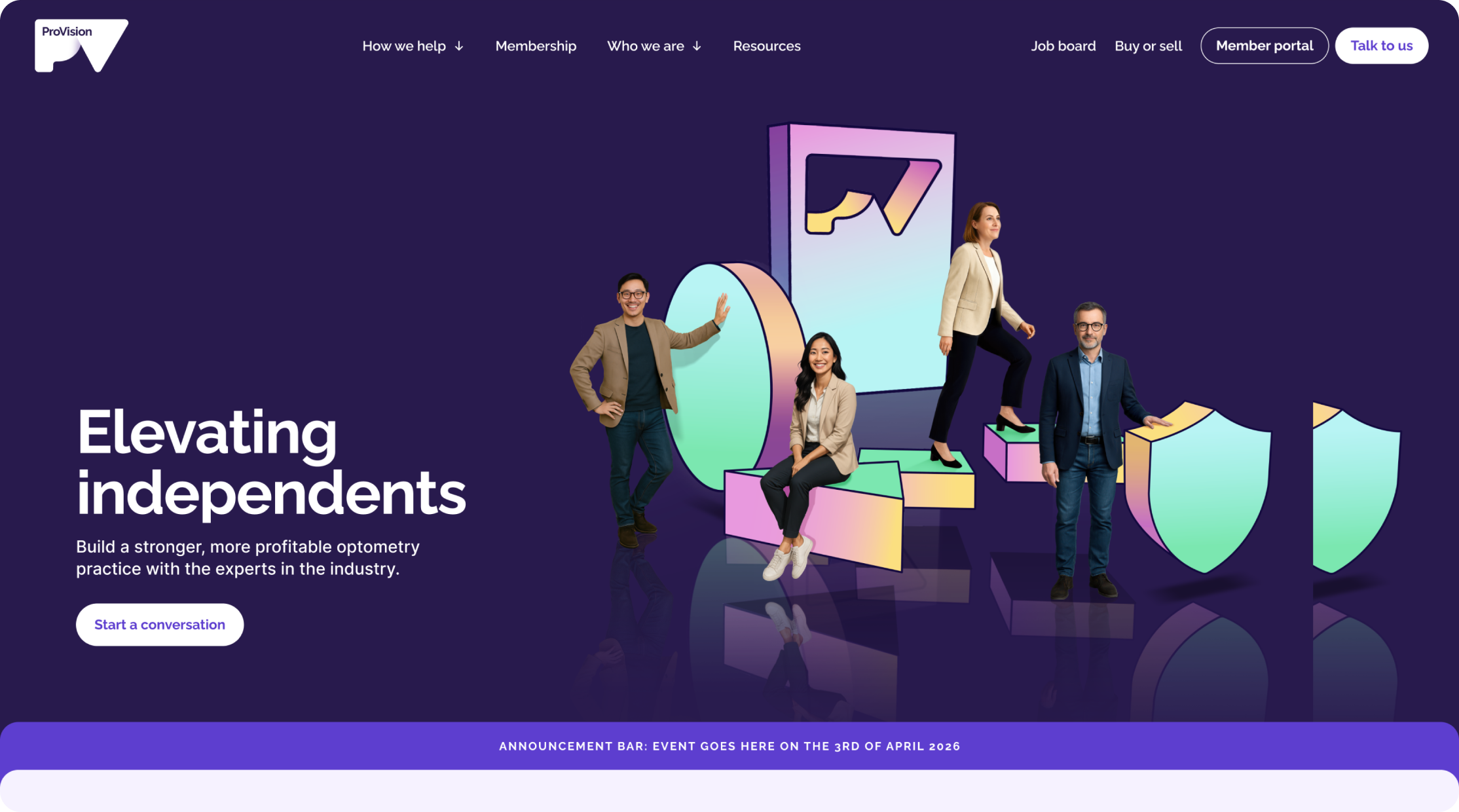
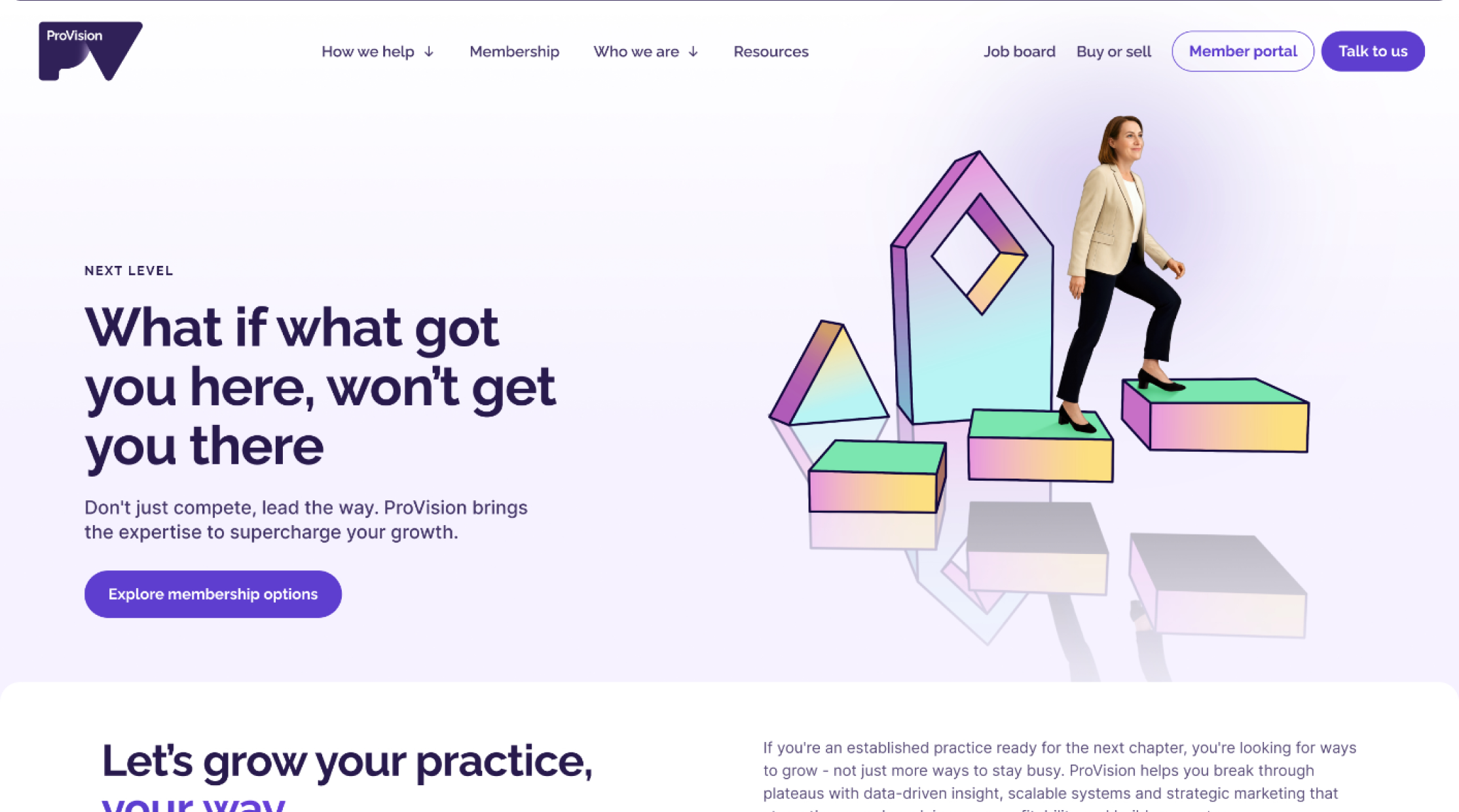
ProVision is Australia's largest peer body for independent optometrists, supporting over 450 practices with buying power, marketing, education, and business growth services. They needed a new marketing website to attract optometrists who weren't yet members, replacing an aging WordPress site that didn't reflect the brand's ambition.
Userkind, a specialist UX & UI design agency and long-time Uinno partner, managed the project end to end. They delivered a complete Figma design and brought Uinno in as their development team.
The task was to build a modern, content-managed website that ProVision's team could maintain on their own, and do it by the end of April 2026, because ProVision needed the site live for the campaign launch.

Uinno built a three-agent AI system where a Director breaks each page into phases, delegates to a frontend agent and a CMS agent, and runs automated verification before moving on. This made it possible for a single developer to work through the full scope at roughly twice the normal speed.
The frontend agent connects directly to Figma through the Figma MCP (Model Context Protocol), reads design tokens and layout data, and writes Next.js components from the source file. After each build, it uses the Playwright MCP to launch a browser, screenshot the result, and compare it against the original Figma design. If a margin is off or a button is misplaced, it identifies the gap and corrects the code. This cycle repeats two to three times per section until the output matches.
A dedicated CMS sub-agent reads the frontend code the first agent produced, identifies every dynamic field, and auto-generates the Payload CMS schema, migration scripts, and seed data. The admin panel comes pre-populated, and the agent verifies that content changes in the CMS show up correctly on the live page.
Uinno’s engineering manager built a complete AI agent system from scratch. The system has three agents: a Director that manages the overall process, a frontend design sub-agent that writes React code, and a CMS integration sub-agent that handles Payload CMS schemas and content migration.The Director receives a task (a link to a Figma section, for example) and breaks it into phases.
It runs setup, passes control to the frontend agent, then to the CMS agent, and finishes with a verification step. Each agent follows a library of instructions and skills, written as markdown files that define coding conventions, project structure, design system rules, and safety guardrails.
The frontend agent connects directly to Figma through the Figma MCP (Model Context Protocol) and extracts design information from each section. It surveys the existing codebase for reusable components, creates a development plan, and writes the frontend code in Next.js with the design system tokens applied.
After writing code, the agent runs visual verification using the Playwright MCP. It launches a browser, takes a screenshot of the built page, and compares it to the original Figma design.
If a button is out of place or a margin is wrong, the agent identifies the difference and corrects the code. This build-screenshot-compare-fix cycle runs two to three times per section until the output matches the design.
The CMS sub-agent reads the frontend code that the first agent produced, identifies every dynamic field (text, images, colors, links), and creates the corresponding schema in Payload CMS. It generates migration scripts and seed data so the admin panel isn't empty when the client opens it for the first time.
All development ran inside a Docker dev container. AI agents can hallucinate and run destructive commands. The container means the worst an agent can do is destroy the container itself, which rebuilds in minutes. The developer's local machine stays untouched.
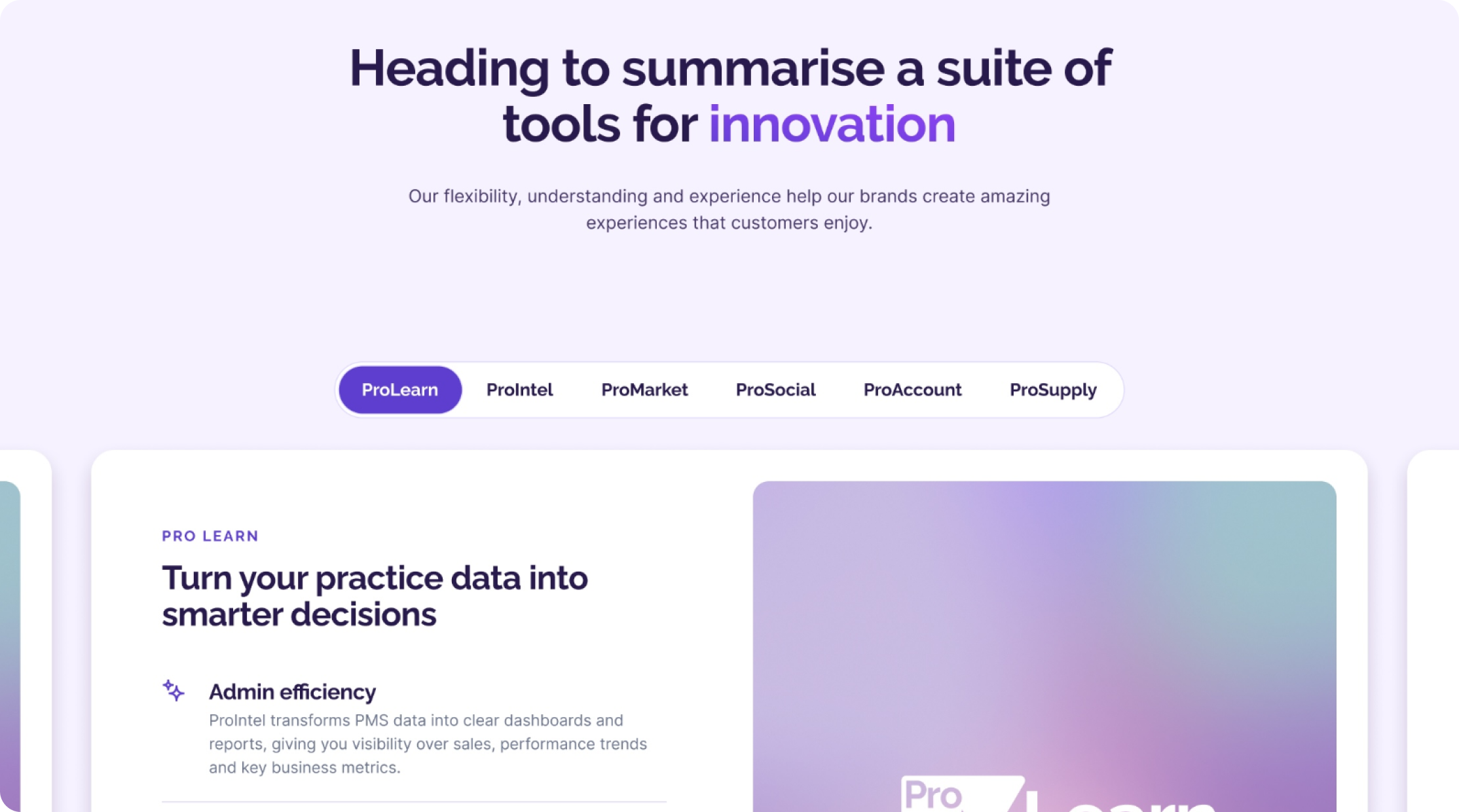
ProVision's new marketing site at optom.provision.com.au designed by Userkind is live and serving its purpose to attract independent optometrists to explore membership. PageSpeed score jumped from under 70 on the old site to 90 out of 100 on the new one.
ProVision's team can create pages, duplicate them, choose which content sections appear, and edit every piece of text, image, and link on the site without developer help. The site launched with 10+ page types, each with a dedicated mobile look.
The project landed right on the original estimate. One developer, three AI agents, three weeks of active development.
.png)
you have a vision