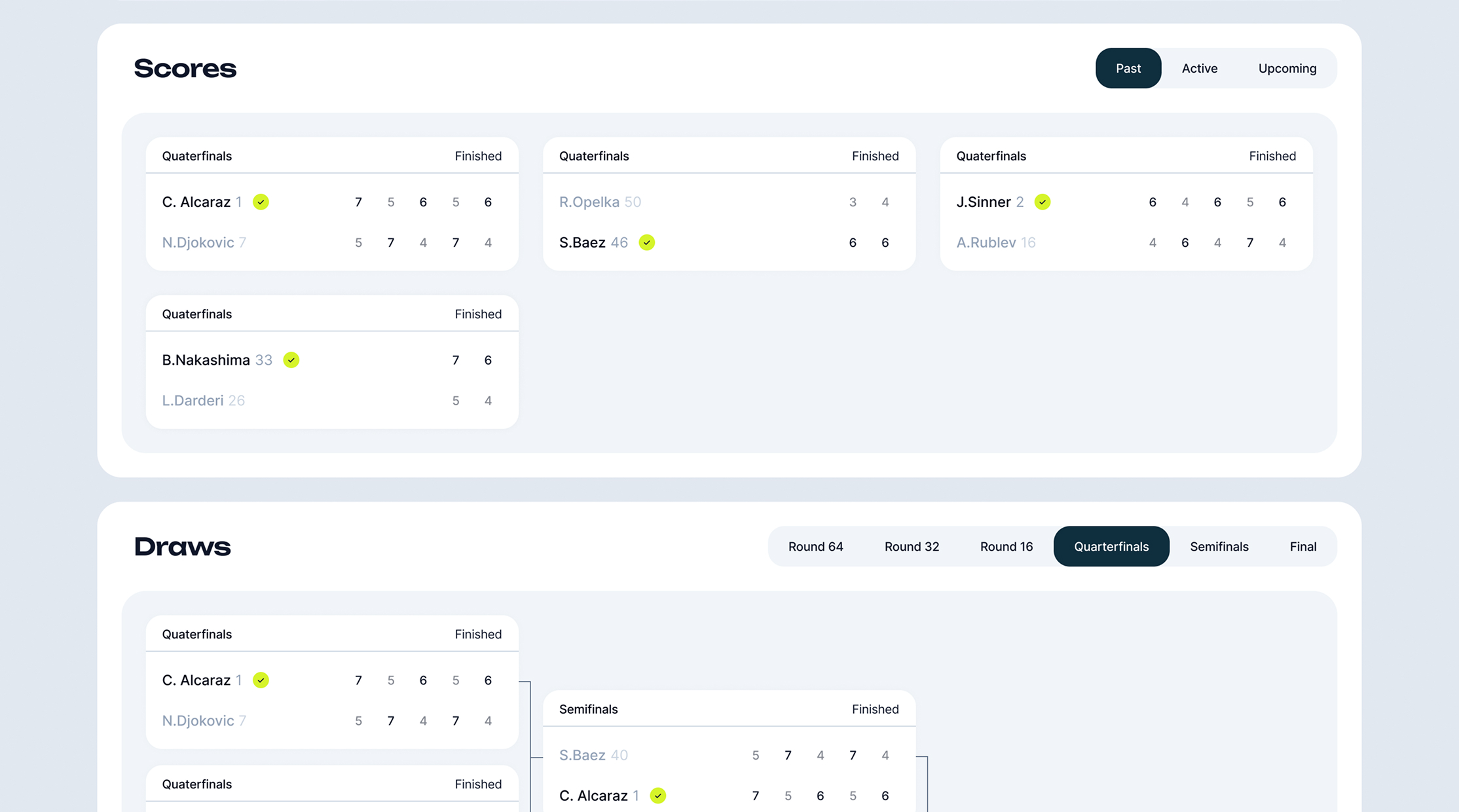
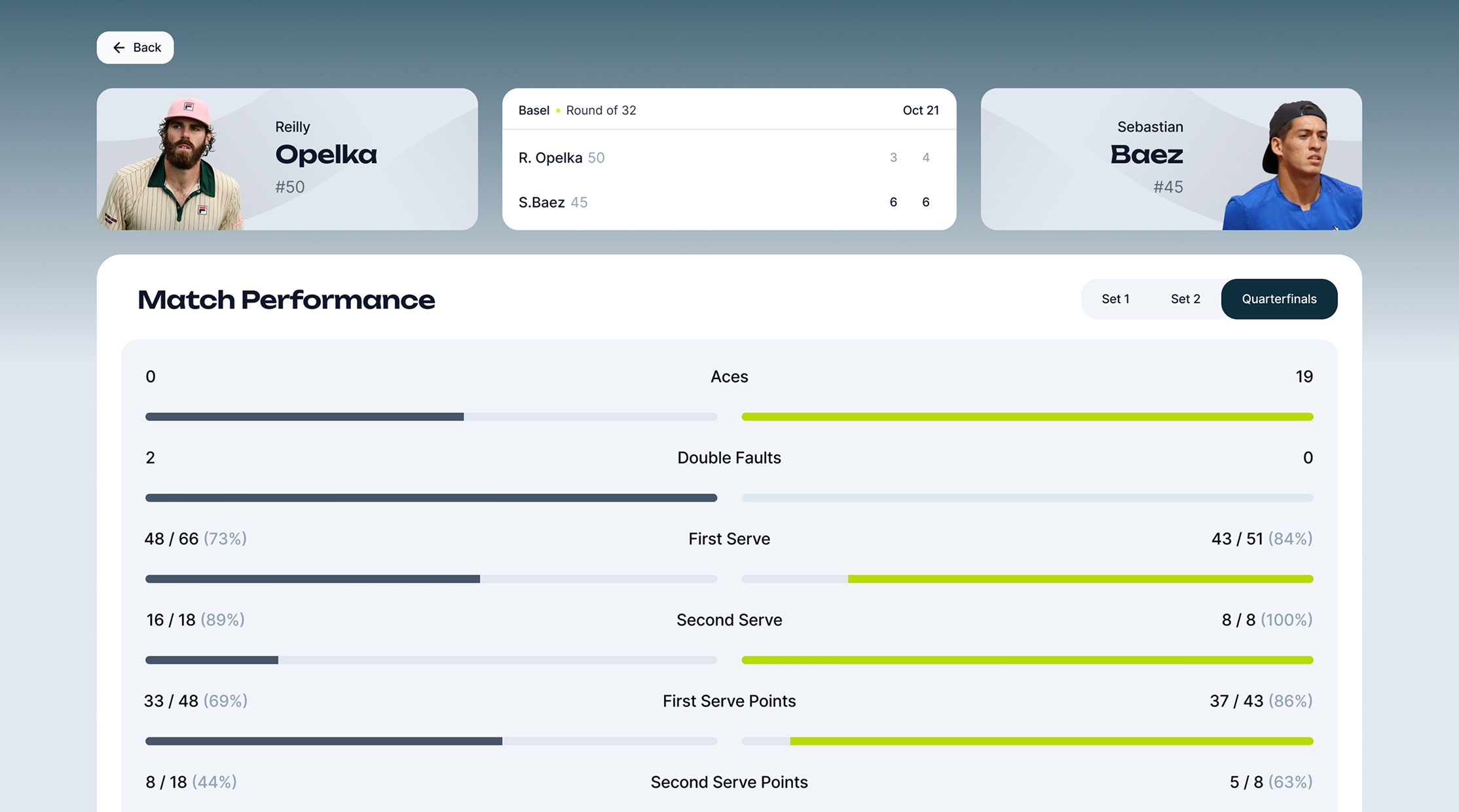
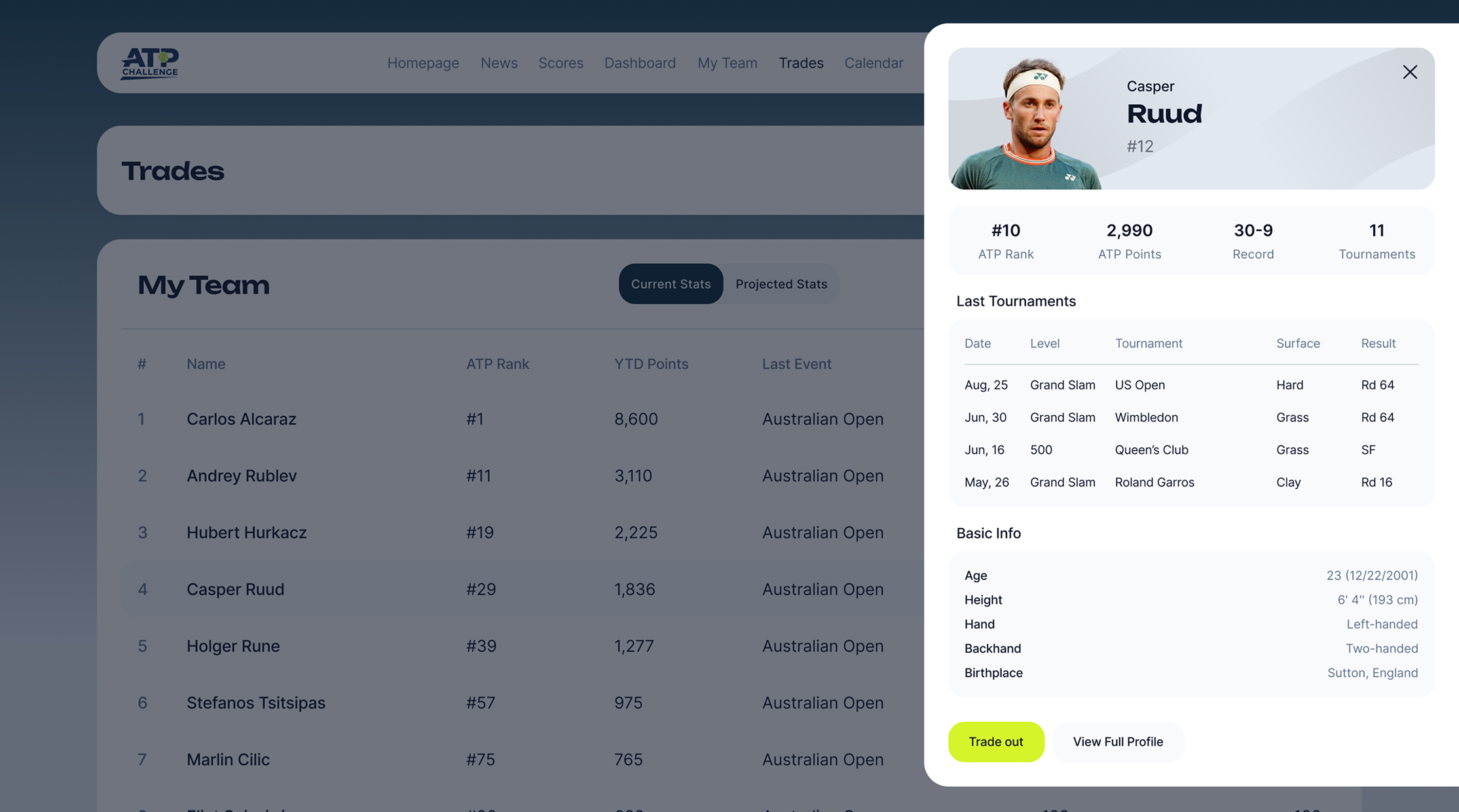
A data-driven approach to model an in-demand product that includes business analysis, proof of concept (POC), design concept, and project estimate.
A complex human-centered process of developing a valuable product that blends business goals and user needs with design thinking in mind.
A freelancer works well for a quick validation sprint or a one-off audit, usually at an hourly rate. The trade-off shows up on anything ongoing, where limited context and single-person capacity slow decisions and leave continuity at risk.
An agency brings a cross-functional team that runs research, interaction, and visual work in parallel, which is why it fits launches, redesigns, and fast scaling. You trade a higher upfront commitment for speed and depth a single hire cannot match.
A full-time designer suits products in continuous evolution, since that person lives inside your context every day. The cost is real overhead and slow scaling, and finding one person strong at research, interaction, and visual design is rare.
When your design decisions affect what gets built next, a team beats a solo hire. With Uinno, you get UX researchers, UI designers, and QA working at once instead of one person switching hats, so multiple workstreams move in parallel and delivery speeds up.
You also inherit everything the team already knows. Established design systems, tested processes, and hard-won lessons from past products in similar domains come with the engagement, which means less trial and error on your budget.
Uinno pairs that depth with the responsiveness startups and SMBs need. You keep the strategic UX decisions close while the studio carries research, execution, and polish, giving you agency capacity without the overhead of building the team yourself.


UI/UX design services usually cover user research, information architecture, wireframing, interactive prototyping, visual UI design, usability testing, and design system creation. A full-service partner also handles UX audits of existing products, accessibility compliance, and developer-ready handoff specs. The exact scope depends on whether you want a complete product redesign or targeted fixes to specific flows. At Uinno you scope the engagement to your stage, so you pay for what your product needs now.
The sweet spot arrives once you have a product vision, initial funding, and a basic prototype to react to. Hiring too early burns runway on polish nobody has validated, and waiting too long lets interface debt build up that costs far more to fix later. If you already have users dropping off in known flows, that is a clear signal to act now. A short audit can tell you exactly where you stand.
A design company gives you a cross-functional team of researchers, UI designers, and QA who run multiple workstreams at once, which speeds up delivery. You also get established design systems, tested processes, and institutional knowledge from past products in similar domains. Freelancers fit smaller, well-scoped tasks, but complex or ongoing products carry coordination risk and knowledge gaps with a single person. For products that keep evolving, a dedicated team lowers that risk.
you have a vision