A data-driven approach to model an in-demand product that includes business analysis, proof of concept (POC), design concept, and project estimate.
A complex human-centered process of developing a valuable product that blends business goals and user needs with design thinking in mind.
Uinno chooses platforms based on how easily your data and logic move out later, and structures every build so your business logic stays portable. You own your data in formats you can export, and you keep the freedom to migrate to custom code when growth demands it.
We treat your no-code build as a real product from the first sprint, with proper data modeling and a clear path to scale. When your product outgrows the platform, the migration is planned rather than panicked.
Our Engineers architect your app around the load you expect in year two, not just launch week. The team benchmarks your platform against your growth targets during discovery and recommends a stack that holds up as your user base climbs.
Uinno scopes the full picture upfront, including integrations and the ongoing maintenance your app will need after launch. You get a realistic budget and a maintenance plan, so month six brings new features instead of an emergency rebuild.
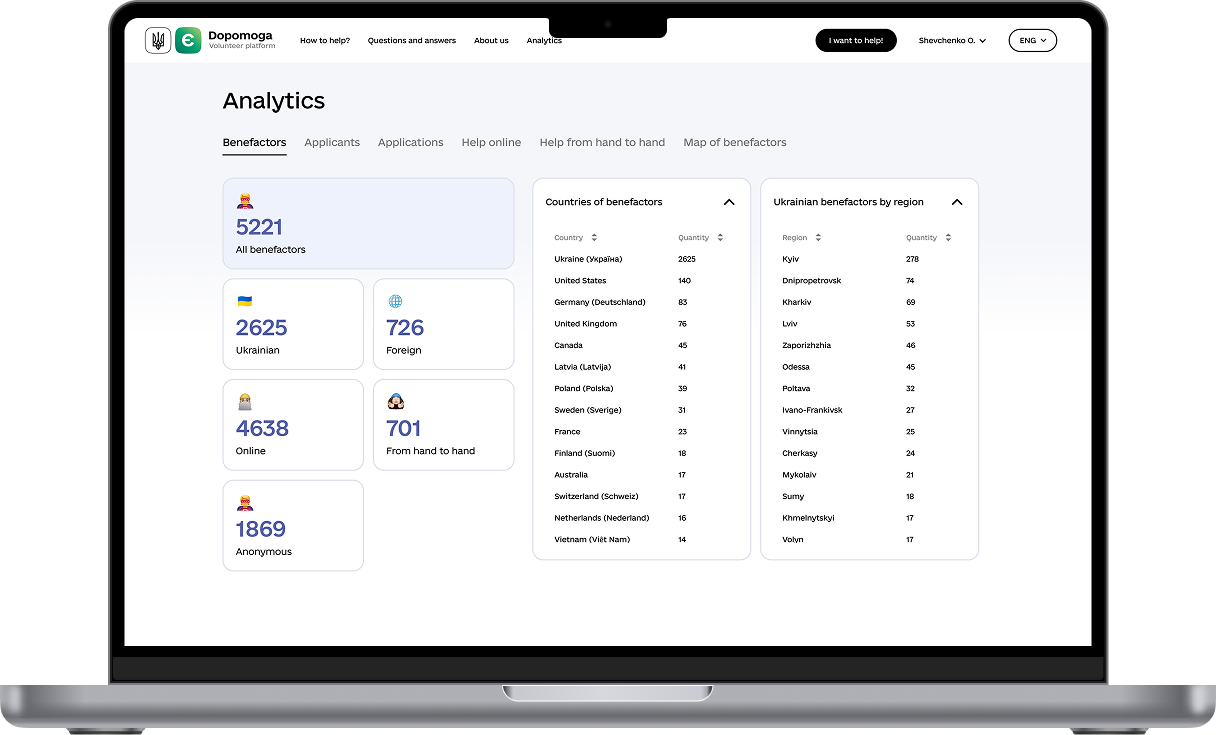
UCU's migration is a very unique ERP switch. The university runs processes that no off-the-shelf system handles natively.
Works when your project is small, well defined, and unlikely to grow much. You get low cost and direct communication.
A solo builder becomes a bottleneck the moment your product needs more than one skill set.
Fits founders who want a product that survives contact with real users.
You get a team covering design, build, and architecture, which matters when your app needs to scale or integrate with other systems.
Makes sense once no-code is core to your business and you need someone on it full time.
This is the slowest and priciest path to start, and it rarely pays off before you have steady, ongoing work.


No-code development services cover internal business tools, customer-facing web and mobile apps, SaaS platforms, marketplaces, CRM systems, and MVPs for investor demos. The main limit is highly custom or compute-heavy products, such as real-time gaming or complex AI pipelines, where traditional development still fits better. For most business applications, no-code delivers production-quality results. Uinno assesses your specific case during discovery before recommending an approach.
No-code development typically costs 40% to 70% less than traditional custom development, because builds move faster and need fewer developers. Your ongoing costs also tend to stay lower, since updates and iterations happen quickly. The honest caveat is that integrations, maintenance, and scaling add real cost over time, often 30% to 50% on top of the first estimate. Uinno scopes that full picture upfront, so your budget reflects the real bill.
Yes, modern platforms like Bubble, FlutterFlow, and Retool support production apps serving thousands of concurrent users. The key is choosing the right platform and architecting the solution properly from the start. A poor platform choice or rushed architecture is what causes the scalability problems founders worry about. Uinno benchmarks your growth targets during discovery and builds on a stack that holds up as your user base grows.
No-code platforms need zero programming knowledge and rely entirely on visual builders. Low-code development services combine visual building with the option to add custom code for advanced functionality. In practice, most no-code development agencies use a mix of both, choosing pure no-code for simpler features and adding code where the business logic demands it. This hybrid approach gives your startup speed without giving up flexibility.
you have a vision