Most MVPs are built to solve a problem. The founder identifies a pain point, builds the smallest thing that addresses it, ships it, and waits for traction. Sometimes traction comes. More often it does not. And the reason is rarely that the product failed to solve the problem. The reason is that solving the problem was not enough.
There is a fundamental difference between a product that people use once and a product that people return to. The first one is a tool. The second one is a business. Understanding that distinction early, ideally before you write your first feature list, changes the trajectory of everything you build after. We wrote about the mechanics of this in our complete MVP development guide.
A Tool Solves a Problem. A Business Solves the pain.
A product that fixes something once and then becomes unnecessary has a ceiling built into it. E.g. once I switched from Android to iOS and needed to migrate WhatsApp history - there's no official way, so I had to pay for a tool to do that. Will I pay for that tool again? - very-very unlikely. When the user gets what they need, they leave, and they have no reason to come back. You can acquire new users forever to compensate, but that is an expensive way to run a company, so it should be calculated in your strategy.
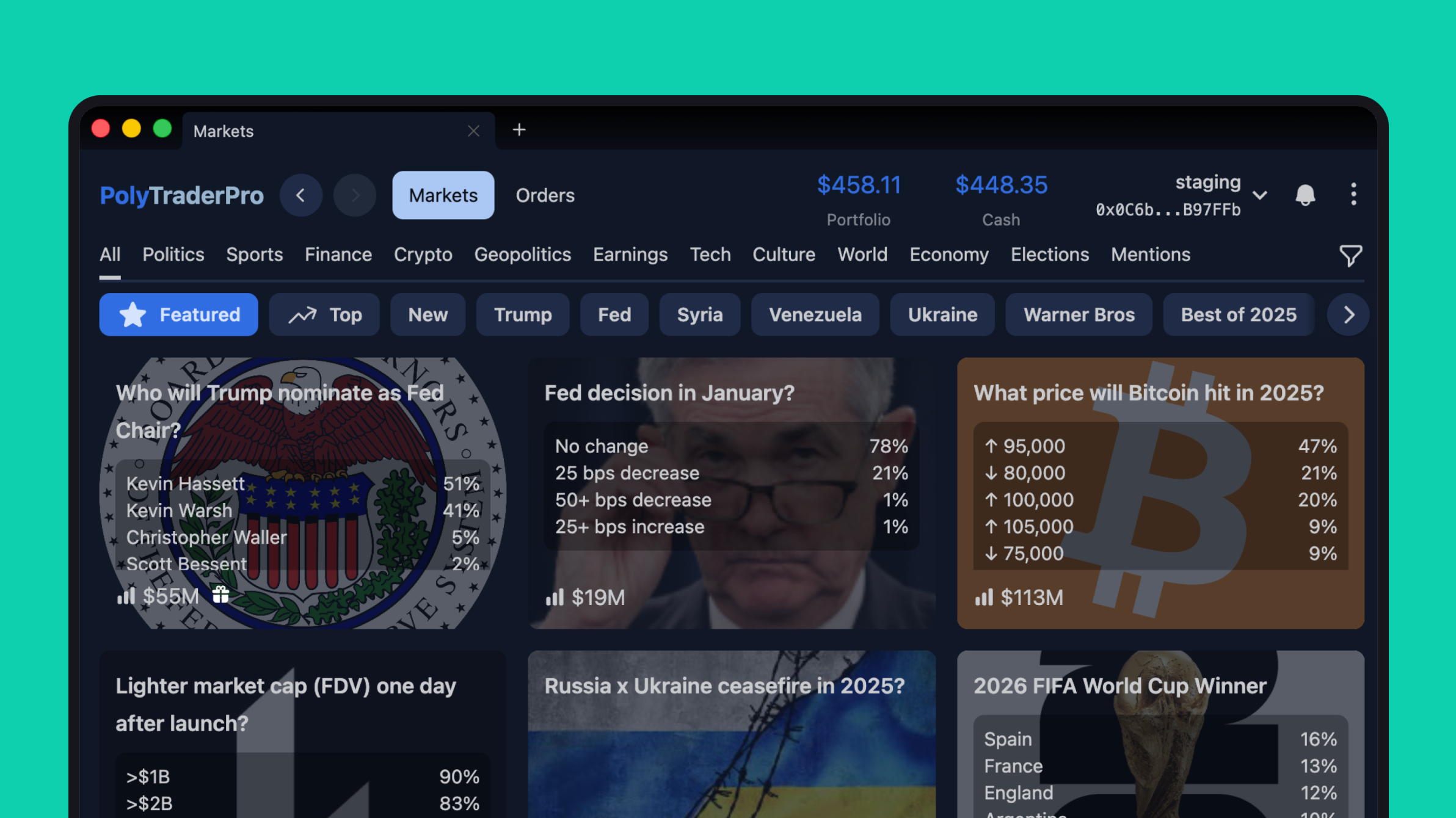
We saw this firsthand with PolytraderPro, which went from MVP to a top-3 app on Polymarket — not because it had more features, but because traders kept coming back to its core workflow.
A product that people return to daily works differently. It becomes part of a routine. The cost of switching away from it grows with every use. The relationship between the user and the product deepens over time. This is not a matter of adding features. It is a matter of whether the core interaction has a reason to repeat.
When I look at the most successful products of the last decade, the pattern is consistent. They replaced a recurring frustration with a recurring solution.
Time to First Value Determines Whether You Get a Second Chance.
A feature can score perfectly on every prioritization framework and still fail if the user does not experience its value quickly enough. In the first minutes of using a new product, people are making a subconscious decision about whether this is worth their time. If the value is buried behind onboarding steps, configuration screens, or a learning curve that requires patience, most users will not reach it.
This is especially relevant for MVPs, where you do not have the brand trust or the marketing budget to convince people to stick around. The product has to prove itself immediately. That means the core value, the thing that makes the user think this is worth coming back to, needs to be accessible within the first interaction. Not the third session. Not after a tutorial. The first time.
If your most valuable feature requires setup that takes longer than the user's initial patience, it does not matter how good the feature is. You will not get the chance to show it.
Data And Intuition Both Lie. Use Them Together.
There are two schools of thought on deciding what creates repeat usage.
- The first is statistical: survey users, run experiments, track behavior, let the numbers guide you.
- The second is visionary. Trust your understanding of the problem and build what you believe is right.
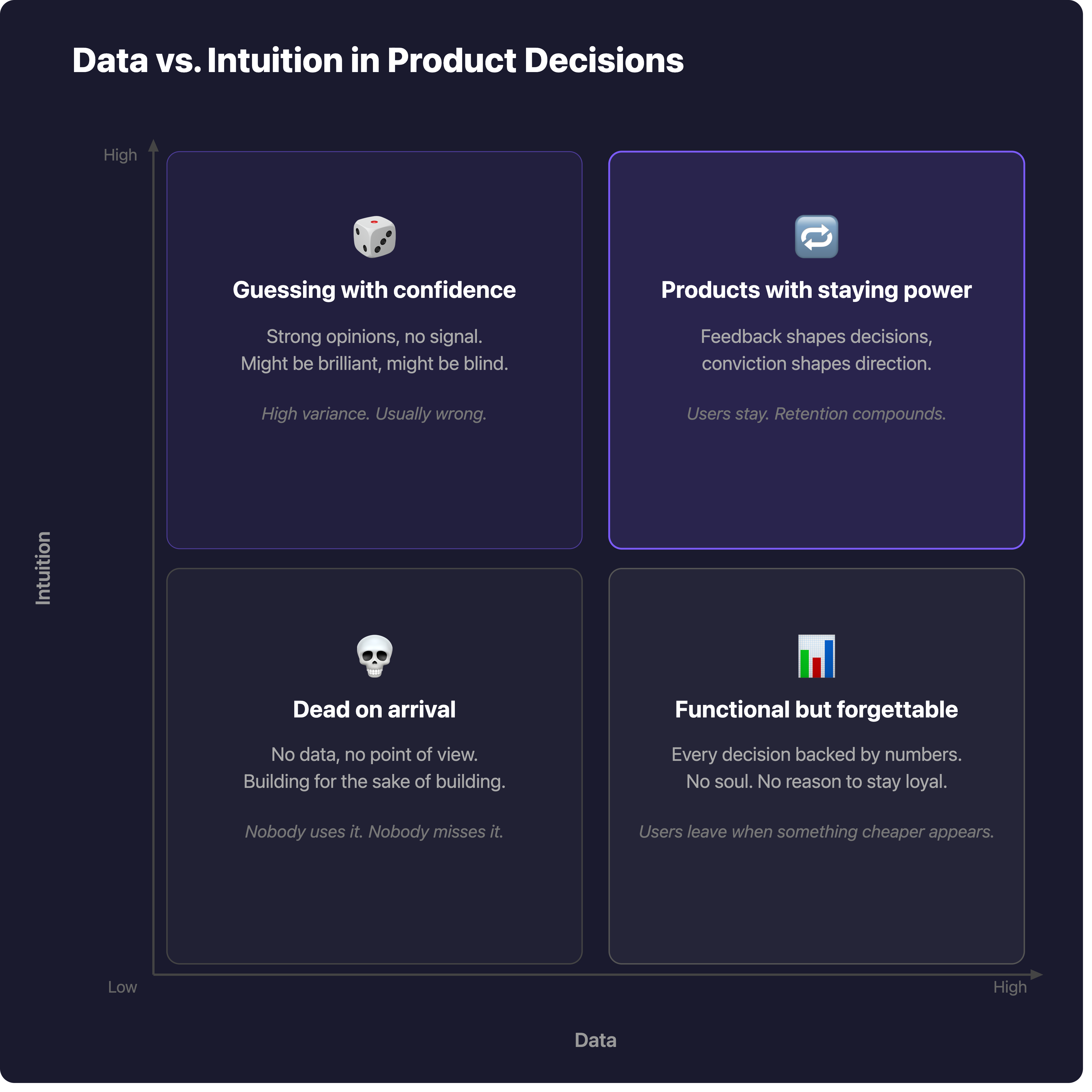
Both have blind spots. Users do not always understand their own behavior well enough to articulate it. If you ask someone what would make them use a product more, the answer is often a list of features that sounds logical but does not reflect how they actually make decisions. Moreover, all of them will contradict each other. On the other side, pure conviction without feedback is just guessing with confidence.
The approach that works is to combine both and let neither dominate. Gather the data. Talk to users. Look at what they do, not just what they say. Then filter all of it through your own judgment. If the data says one thing and your instinct says another, do not automatically defer to either. Sit with the contradiction until you understand it. The founders who build products with staying power are the ones who take feedback seriously without surrendering their own perspective.
Products With Soul Compounds. Products Without Soul Plateau.
There is a quality in certain products that is difficult to define but immediately recognizable. It is the sense that someone made deliberate choices, that the product reflects a point of view rather than a checklist of market requirements. I call it soul, for lack of a better word.
Products built purely by aggregating user requests tend to lack this quality. They become functional but forgettable. Every decision was defensible on paper, but the sum of those decisions does not add up to something that feels intentional. Users can sense this even if they cannot name it. They use the product when they have to and leave when something slightly better appears.
Products with soul behave differently in the market. They attract users who identify with the product, not just users who need the product. That identification creates loyalty that is not easily disrupted by a competitor offering the same functionality at a lower price. It is an advantage that compounds over time, and it starts with the founder's willingness to make opinionated decisions instead of safe ones. The architecture decisions you make at the MVP stage determine whether the product can evolve with that soul intact, or whether technical debt forces you into safe, forgettable choices.
To Conclude
What keeps users coming back is not a single feature or a clever onboarding flow. It is the accumulation of small decisions that a founder makes throughout the product: choosing clarity over complexity, choosing a point of view over consensus, choosing to cut a feature rather than ship it half done. Each of those decisions is invisible on its own. Together, they create a product that feels considered. Users may not be able to explain why they prefer it over an alternative that does the same thing. But they stay. And a product that people stay with is a business.
If you are at the stage where your MVP works but users are not staying, that is exactly where we start.
.png)
.png)