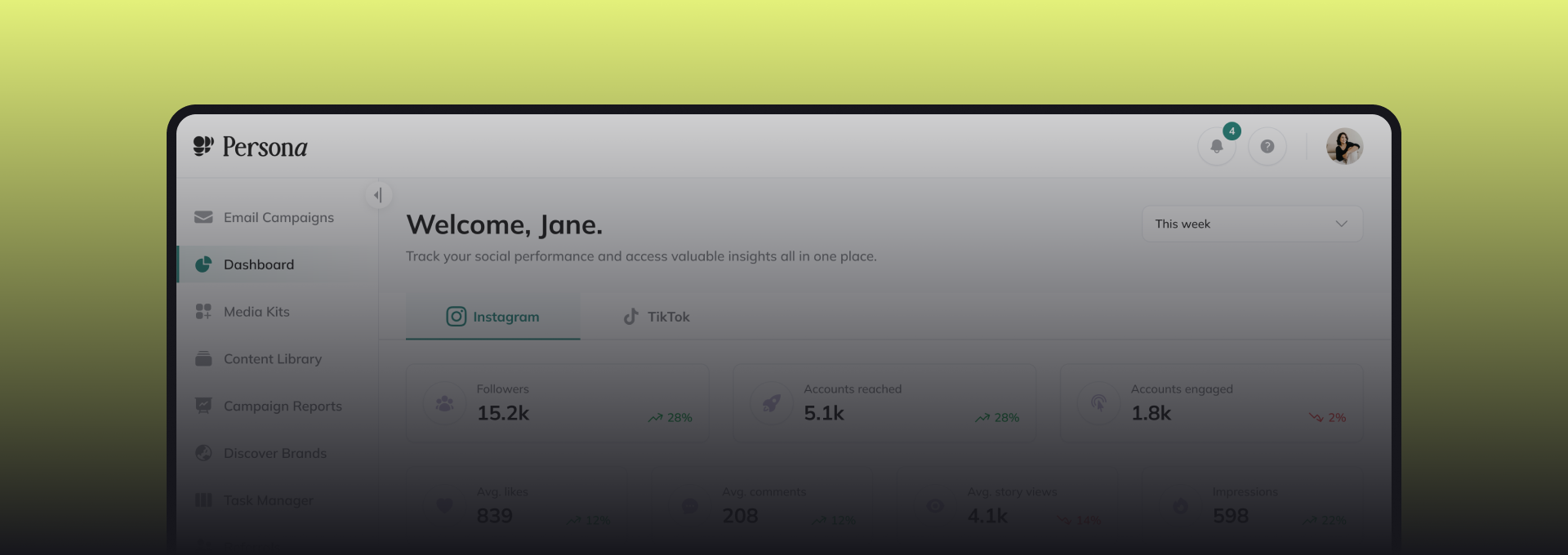
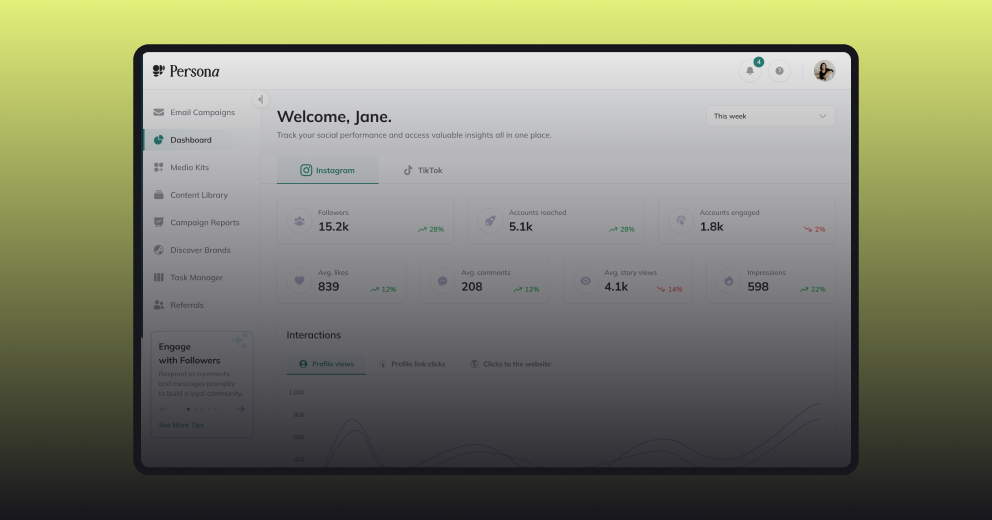
A data-driven approach to model an in-demand product that includes business analysis, proof of concept (POC), design concept, and project estimate.
A complex human-centered process of developing a valuable product that blends business goals and user needs with design thinking in mind.


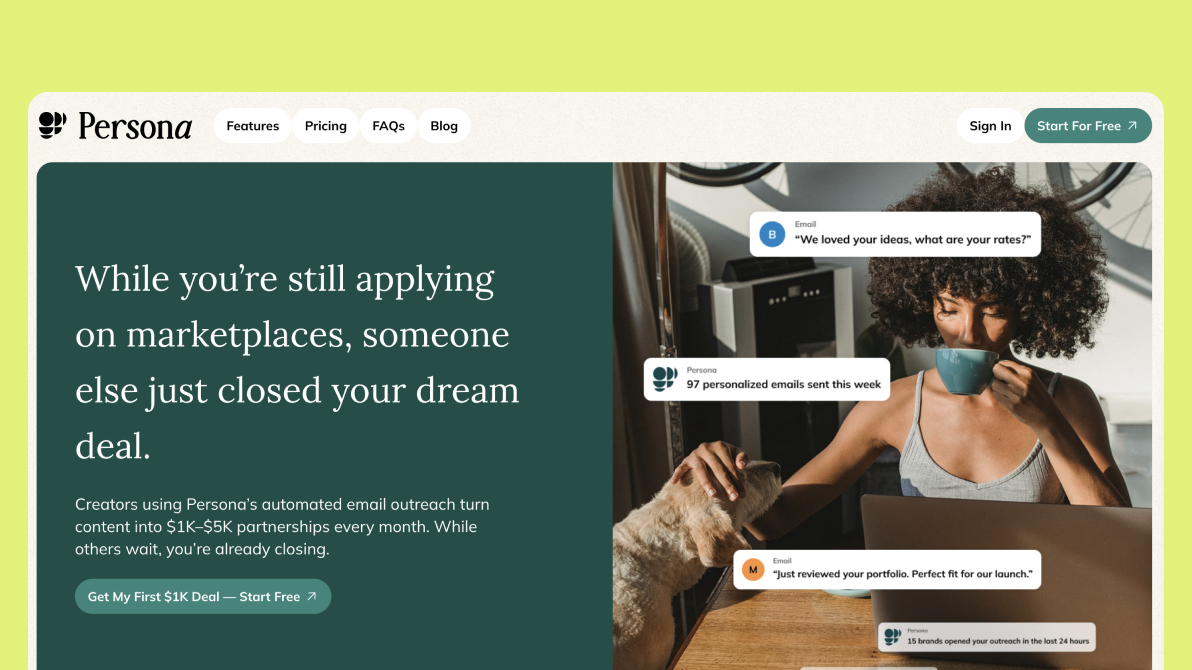
A SaaS platform that lets content creators skip the marketplace, discover brands across 250+ industries, and pitch them directly from their own inbox
Industry: Creator Economy
Location: Australia
Engagement: Product discovery, MVP, ongoing feature development
Timeline: 3 months
Platforms: Web
See it live: Persona.space
Content creators and influencers want paid brand deals, but the usual path runs through overcrowded marketplaces that charge commissions, cap earnings, and leave creators waiting to be discovered instead of actively pursuing partnerships.
Persona's founder saw a different approach and wanted to give creators the tools to pitch brands directly, skip the middleman, and build real business relationships on their own terms.

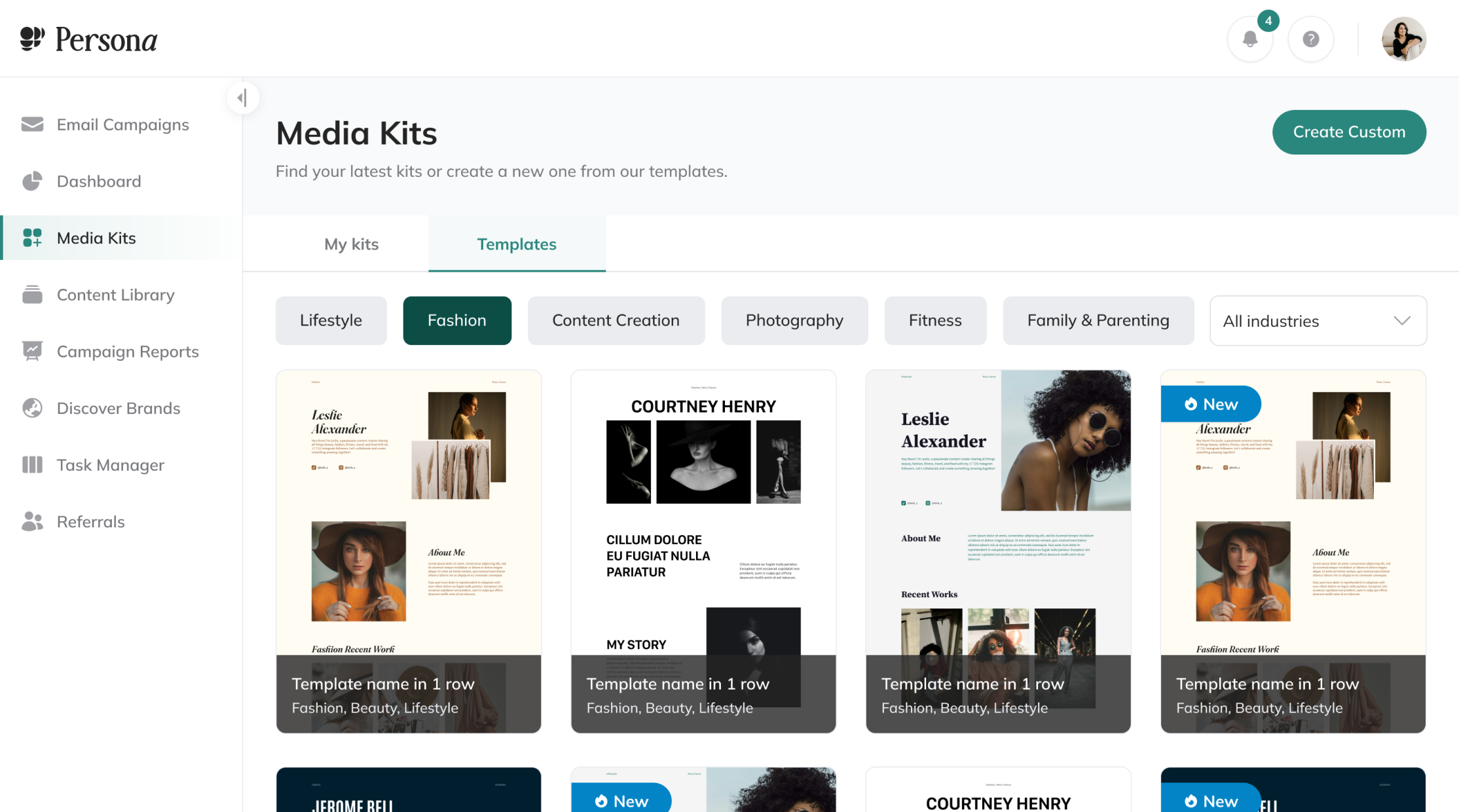
The initial focus was a media kit builder for creators to present themselves professionally to potential partners. Their media kits were static PDFs, out of date the moment they're sent, and often look amateur. Persona.space wanted to fix that with a tool that builds a beautiful, live media kit automatically and keeps it current as a creator's numbers change. We built that.
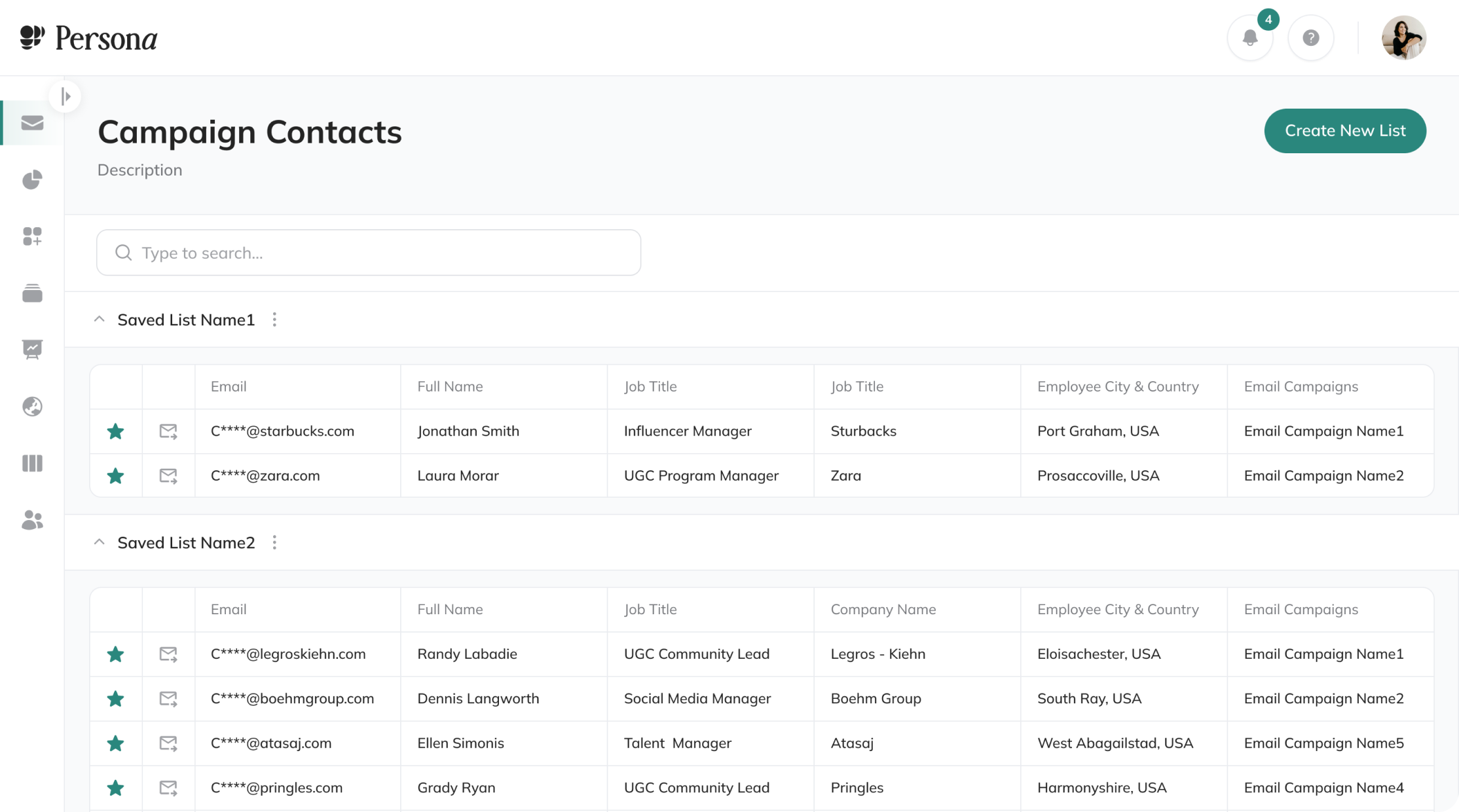
Then, as creators started using it, the product kept growing. It became a platform that helps them find brands and run their own outreach campaigns directly from their inbox, without an agency taking a cut.
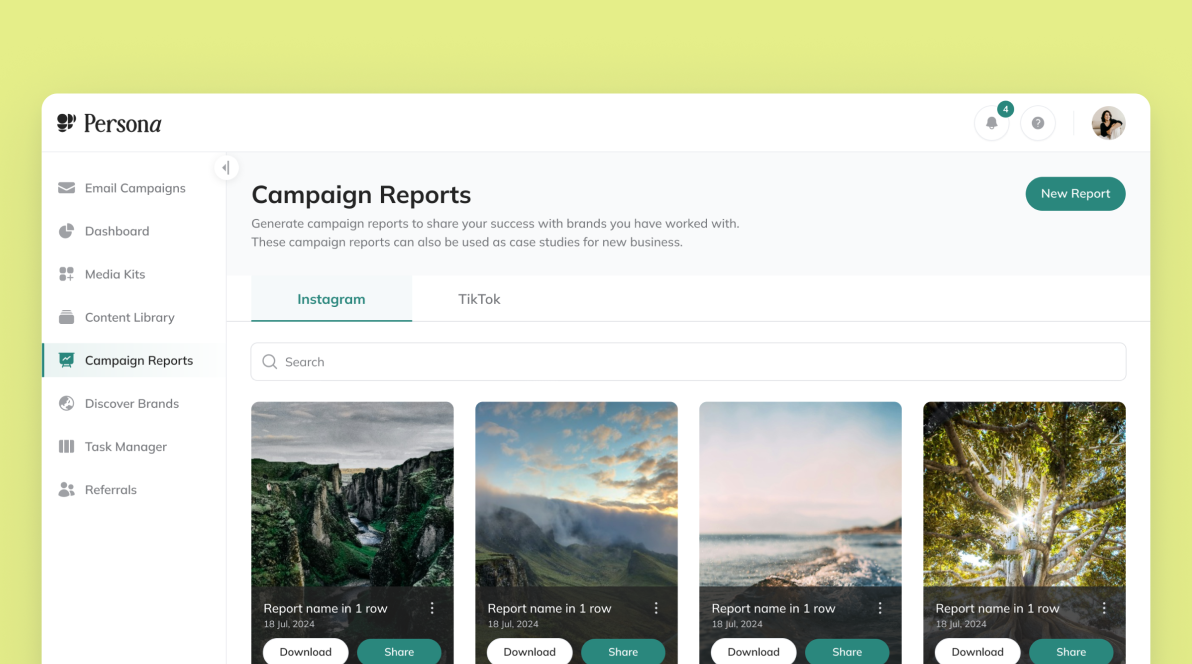
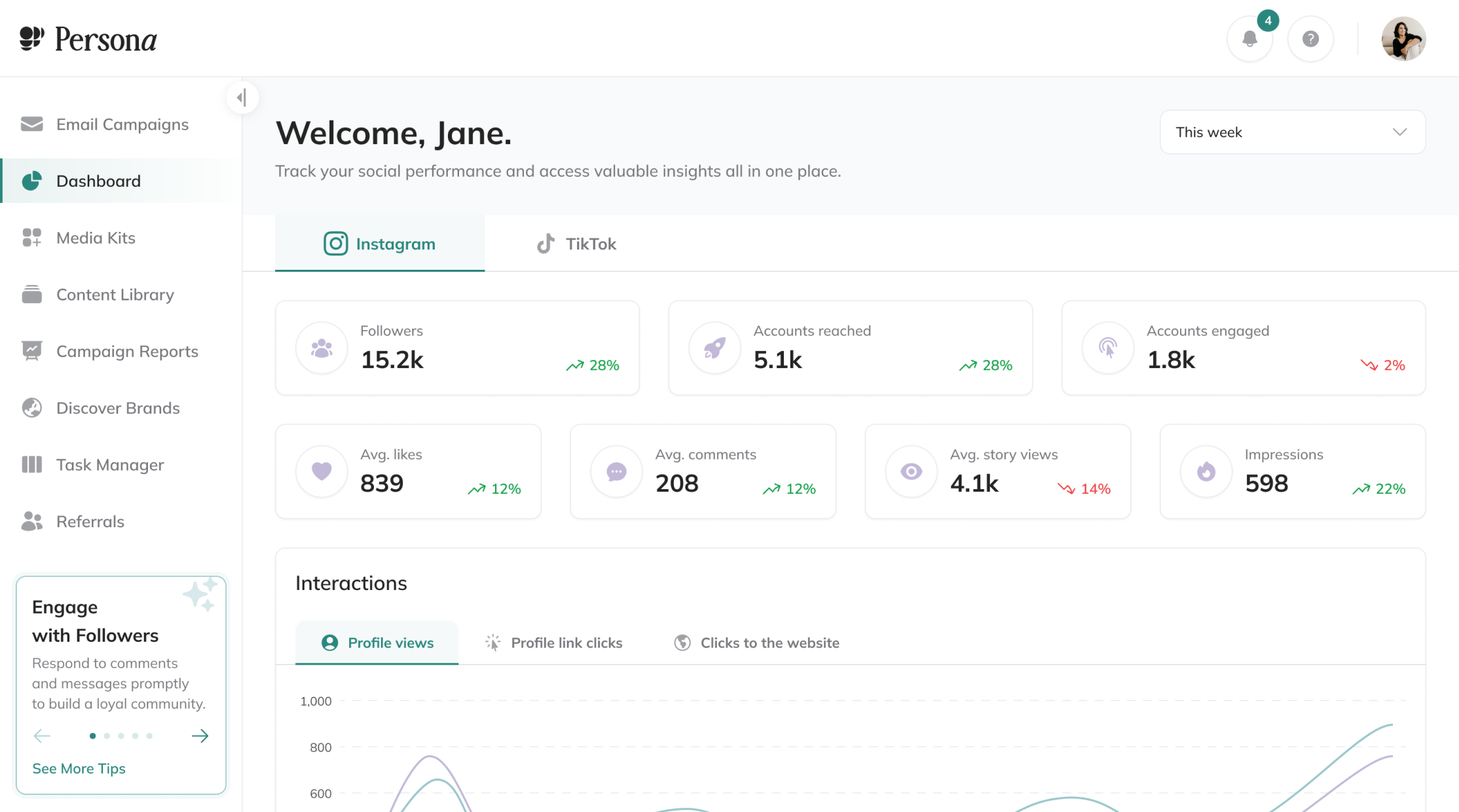
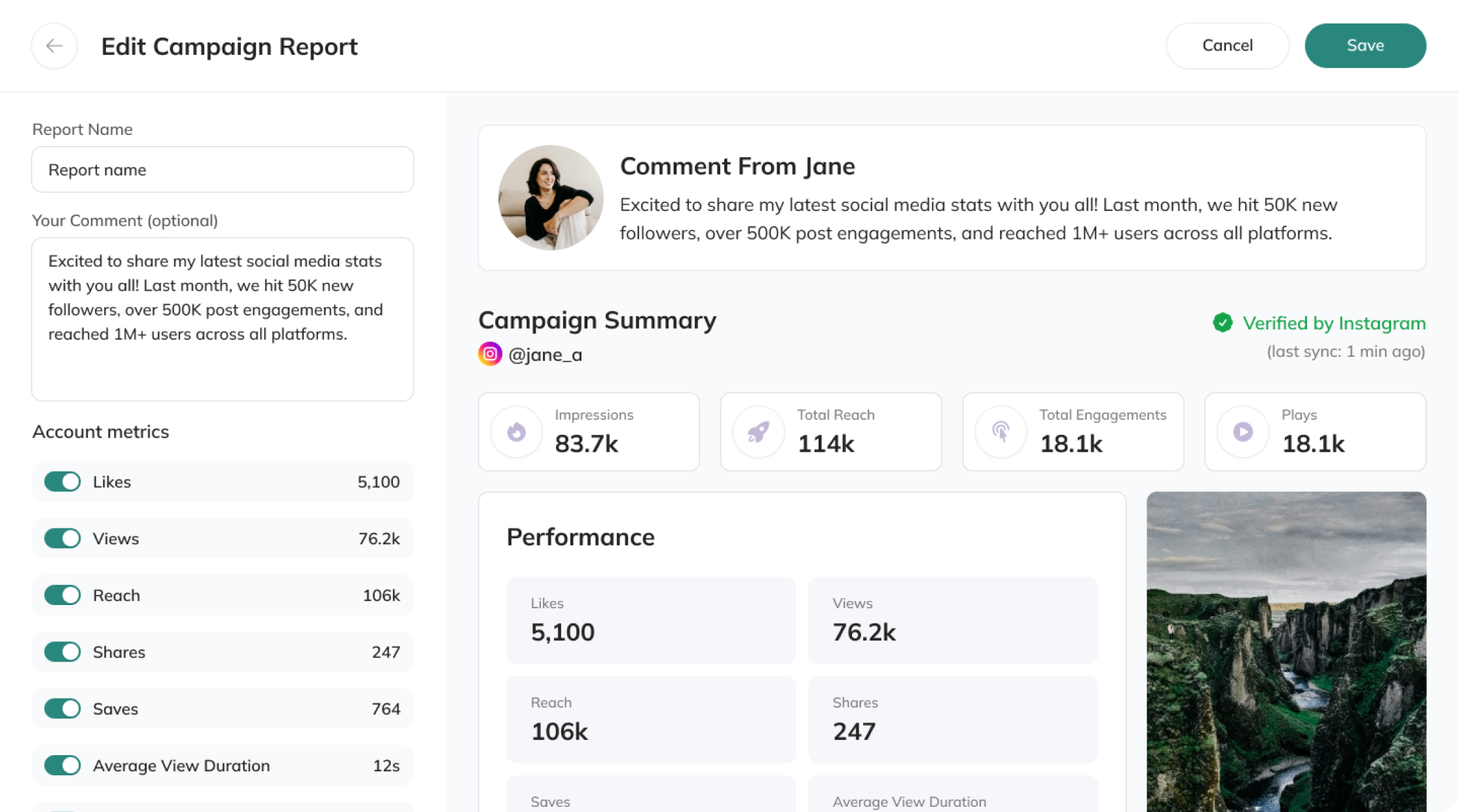
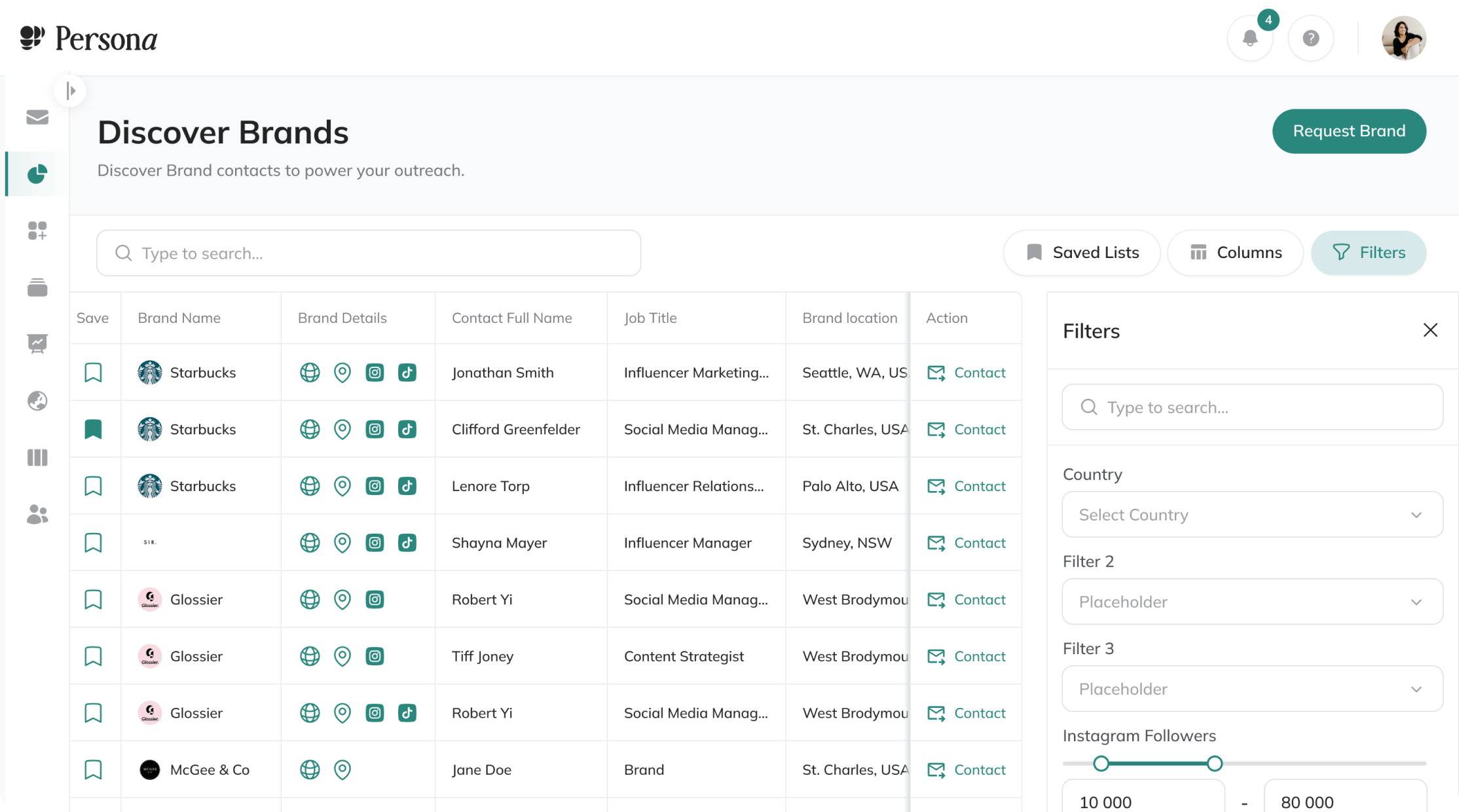
By the time the core build wrapped, Persona had moved from "media kit generator" to a genuine SaaS platform with live portfolios, campaign reporting, a 120,000+ brand database, and an email engine designed to mimic how a real person sends mail so it stays out of spam folders.
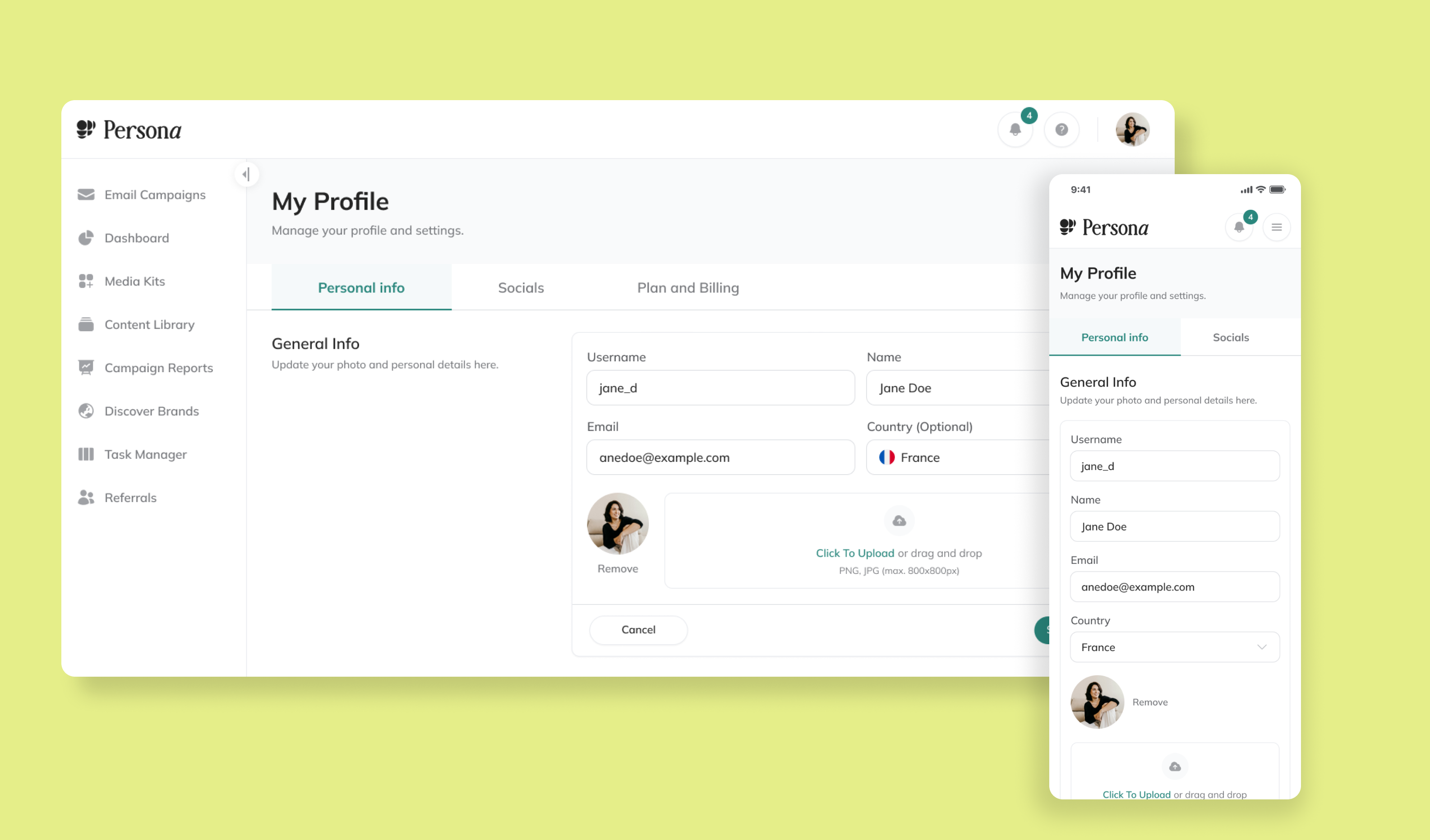
The first build was the media kit itself. A creator connects their Instagram and TikTok accounts (YouTube came in via the dashboard integration), and the platform pulls their stats such as audience split, engagement, top locations, post performance automatically. That data flows straight into a portfolio page the creator assembles from a library of templates.
A few things made this more than a form filler:
The next big milestone was to build a functionality that will help creators do the outreach. This is where the platform turned into a full marketing tool.
We built defensive parsing that normalizes every response variation TikTok sends back, and documented every undocumented behavior internally so future integrations could move faster.
We built a server-side caching layer that stores media locally and refreshes on a controlled schedule, keeping page loads fast and rate limits intact even under heavy traffic.
We treated each overflow as a design problem. Developers and designers collaborated on solutions that preserved readability and visual balance regardless of language, content length, or screen size.
We found a cross-browser rendering approach that produces clean highlights everywhere. For the email campaign flow, the onboarding creates the user's first real campaign as they step through it, so every screen shows actual content instead of empty states, leaving users with their first media kits or email campaigns set up.
The platform serves two very different users from one codebase: the creators who build kits and run outreach, and the client's own team who curate the data and the experience behind the scenes.
Persona went from a concept to a live subscription SaaS where creators discover brands, build media kits with live social data, and run automated outreach campaigns from their own inbox.
The brand database keeps growing with regular bulk additions of 20,000+ companies at a time, and the platform handles everything from onboarding a first-time user to scheduling timezone-aware email sequences across multiple continents, all within a single product that the client manages independently through Stripe and the admin panel.

you have a vision