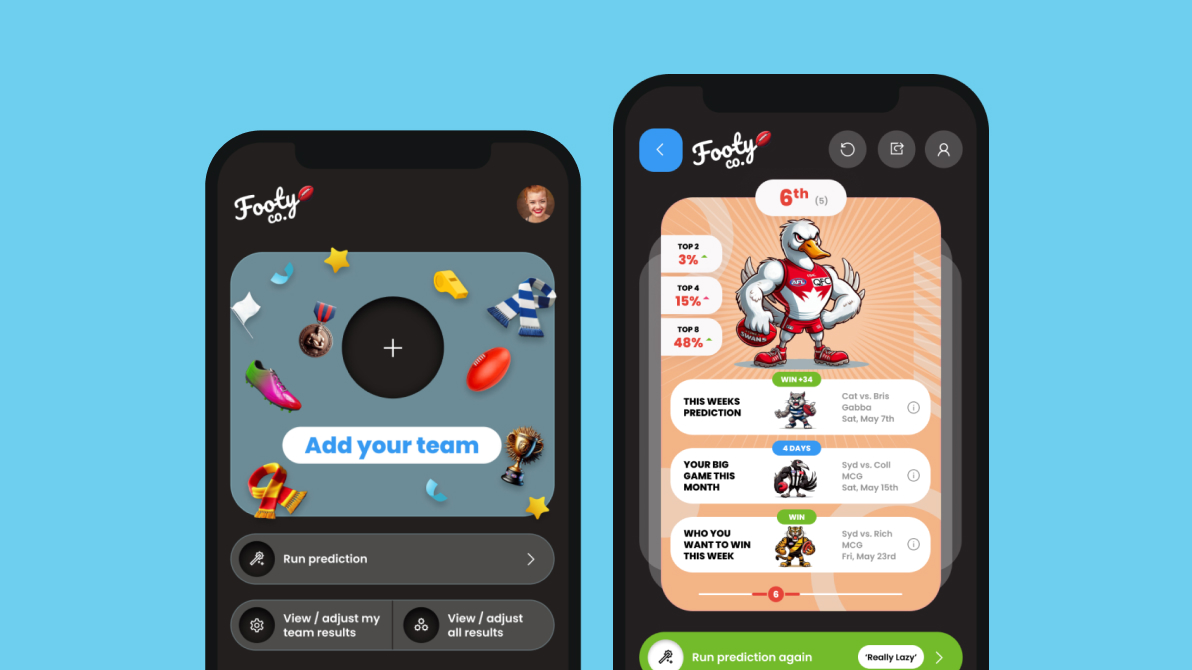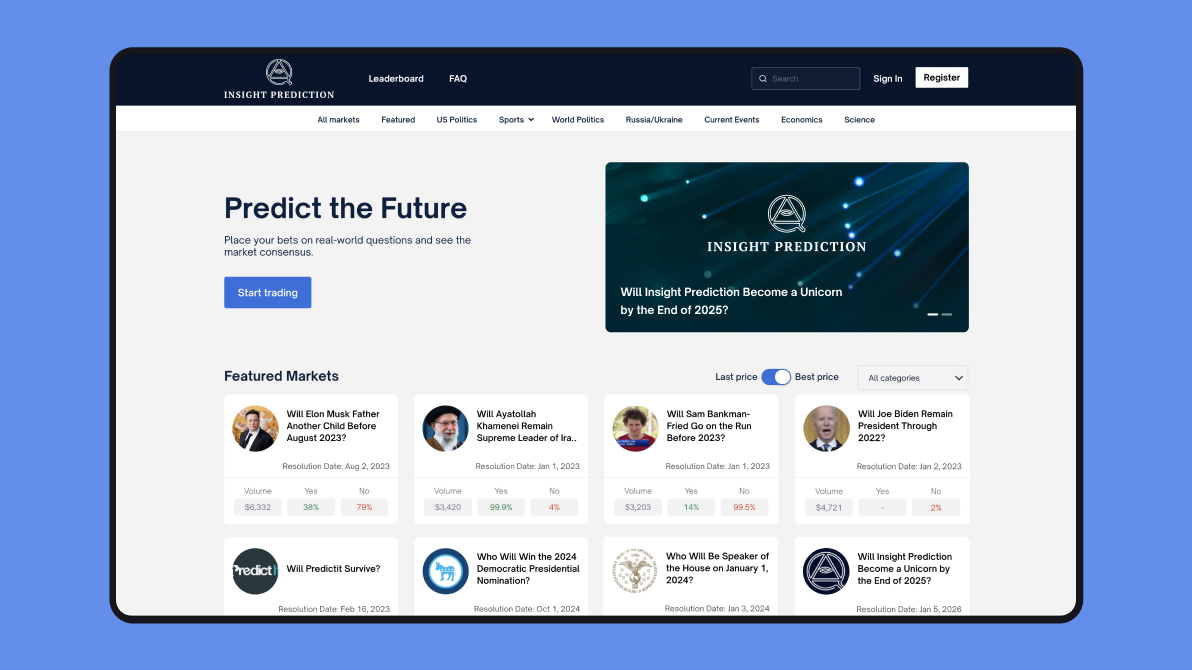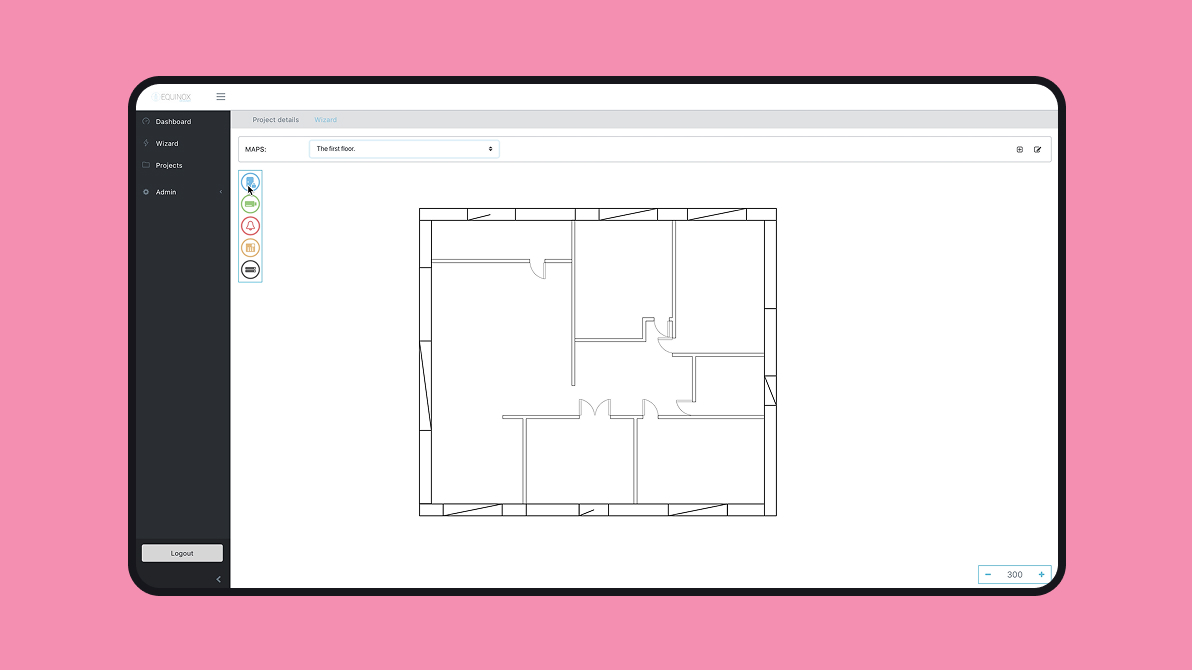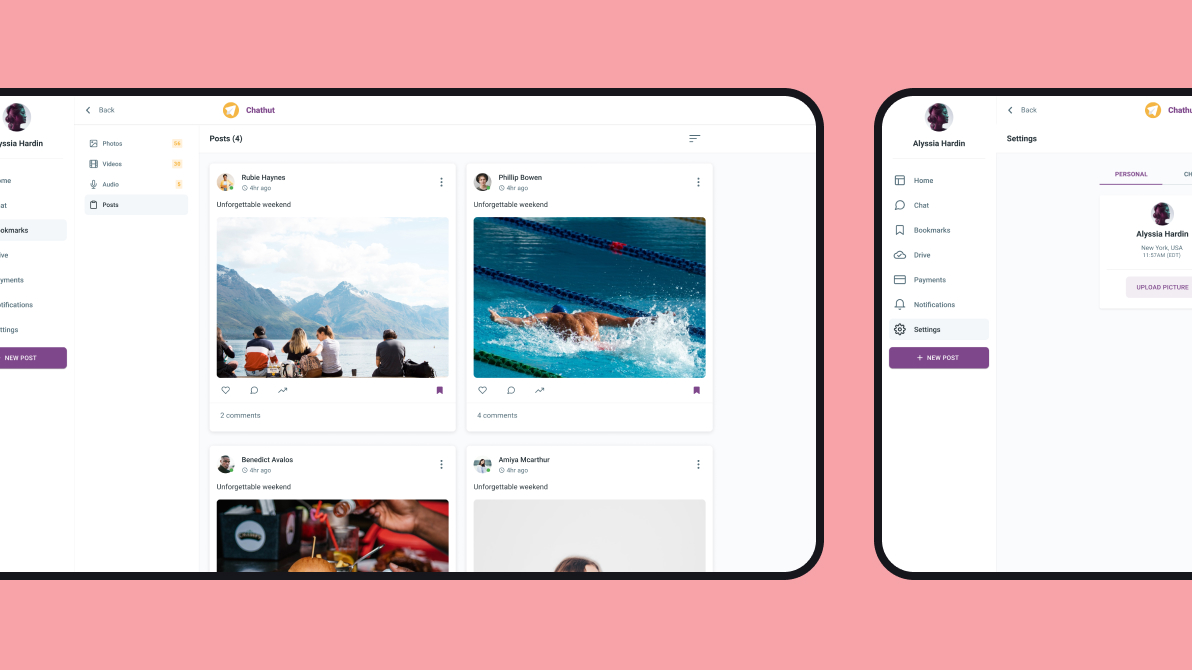

Quick Summary
- It make sense to launch with a simplified pick format (not complex salary caps), rock-solid live scoring via Opta, and built-in community tools so fans stop scattering across Reddit, Discord, and blogs.
- Reliability is the #1 competitive advantage. The most common complaint across all fantasy rugby apps is breaking during transfer deadlines and match days.
- Fans currently use 4–5 separate tools (Reddit, Discord, blogs, multiple apps) so the first app to consolidate that wins.
- Cover more tournaments (Six Nations, Super Rugby, URC, women’s rugby, grassroots) to keep users engaged year-round instead of seasonally.
- Cross-platform frameworks save 50–100% in dev time vs. maintaining separate iOS and Android codebases.
- Budget $40K–$50k for an MVP (8–12 weeks) and $90k+ for a full platform.
Introduction
Every rugby fan who has used a fantasy app has a story. Maybe the app signed them out before a deadline, or the scores took hours to update, or a slick redesign buried the one button they actually needed. But those same fans keep coming back. They build their squads, debate captaincy picks on Reddit, run parallel leagues across multiple platforms, and create Discord servers just to talk strategy. The demand is there. The passion is there. The apps just have not caught up yet.
We know this firsthand. When Uinno set out to build a fantasy rugby platform, we started with the research. We analysed every major competitor on the market, read hundreds of user reviews on the App Store, Google Play, and community forums, and studied what makes rugby fans engage with a platform week after week.
This guide is not another generic listicle from a development agency. It draws on real user data, real community insights, and real competitor failures to show you what a fantasy rugby app actually needs to succeed. Whether you are a founder who wants to build a new platform or a sports company that wants to add fantasy features to your existing ecosystem, this is the research you need before you start the development.
How Fantasy Rugby Works
If you plan to build a fantasy rugby app, you need a clear picture of how the game works from the user’s perspective. The concept is simple: fans assemble a virtual team of real rugby players, then earn points based on how those players perform in actual matches. But the details matter, because they shape every product decision you will make.
The Core Loop
A user creates an account, joins a league (public or private), and selects a squad of players before a gameweek deadline. The squad typically consists of 15 starters and a number of substitutes, though some formats use much smaller teams. Once the real matches kick off, the app calculates points in real time based on player actions: tries, conversions, penalties, tackles, turnovers, clean breaks, and more. After the round ends, the app updates league standings, and users prepare for the next gameweek by making transfers, adjusting their lineup, and reviewing player form. This loop repeats every week throughout a tournament. The user who accumulates the most points across the season wins their league.
Game Formats
There are several formats, and the best fantasy rugby apps offer more than one. Classic Fantasy gives each user a budget (salary cap) to build a full squad. Players have different prices based on their expected performance, and the strategic challenge is to find undervalued players who will outscore their price tag. Pick’em or Tipping is far simpler: users predict match outcomes or select a small number of players (as few as six) without worrying about budgets or full squads. This is the format that apps like Scrummy use to great effect, and industry research from Uinno’s 2026 analysis of top fantasy sports apps in the US confirms that simplified formats playable in under 30 seconds produce the strongest user retention. Draft works like a real sports draft: users in a league take turns to select players, and once a player is taken, nobody else can use them. Each format appeals to a different type of user, from the casual fan who wants five minutes of engagement per week to the stats obsessive who spends hours on optimisation.
Scoring Systems
Scoring is the engine of the entire experience, and it must reflect what actually happens on a rugby pitch. Common categories include points for tries, assists, successful conversions and penalties, tackles made, turnovers won, clean breaks, metres carried, and defensive actions like lineout steals. Negative points often apply for missed kicks, yellow cards, red cards, and penalties conceded. Many platforms also award bonus points for the captain selection and for a “man of the match” designation.
The complexity of your scoring system is a design decision with direct consequences for your user base. Community feedback across multiple platforms shows that mandatory salary caps and complex squad management alienate casual fans. The lesson: let users choose their level of depth. A quick format should be the default, with full complexity available for those who want it.
Tournaments and Coverage
Rugby has a rich calendar of international and club competitions: the Six Nations, Super Rugby, the United Rugby Championship (URC), the English Premiership, the Rugby Championship, the Champions Cup, and various test series throughout the year. Women’s international rugby and grassroots competitions (school level rugby in South Africa and Zimbabwe, for example) represent an underserved segment that early movers like Scrummy have started to address. The more tournaments your app covers, the more reasons a user has to stay with your platform year round rather than switching between apps for different seasons.
Your next read: Fantasy Rugby Platform for RSA’s Sports News
The Current Fantasy Rugby Landscape
Before you build, you need to understand where the market stands today. We reviewed five major platforms across app stores, community forums, and industry sources. The table below summarises their positioning, strengths, and the gaps that remain open for a new entrant.
| App | Format | Strengths | Key Gaps | Since |
|---|---|---|---|---|
| Superbru | Classic Fantasy, Predictor | 2.5M users, broad tournament coverage, dynamic pricing, strong community (r/rugbyunion club) | UX regression in new app, mandatory salary cap backlash, reported session and login issues | 2006 |
| Scrummy | Pick’em (6 players) | Simple format, AI insights, women’s rugby, grassroots coverage, live notifications | New (launched late 2025), small user base, early stability patches | 2025 |
| NRL Fantasy | Classic, Draft | Official NRL integration, free, two game modes | 2.54/5 Google Play rating, reported data accuracy issues, heavy ad load | 2014 |
| OVAL3 Classic | Classic Fantasy (15+8) | Opta data, multiple game modes, French league depth | Narrow focus on French rugby, minimal English market traction | 2020 |
Several patterns stand out. The market leader has been around since 2006 but struggles with the transition to a modern mobile experience. The most praised newcomer (Scrummy) uses a simplified format and earned attention by including women’s and grassroots rugby. The official league backed app (NRL Fantasy) suffers from poor ratings despite having privileged data access. The analytics companion like Rugby League Fantasy Pro proves there is a paying audience for deep statistical tools. And the French focused platform (OVAL3) demonstrates that narrow geographic coverage limits growth.
The community layer is equally revealing. Fantasy Rugby Geek, the largest fan resource, runs parallel leagues across multiple platforms for every major tournament because no single app does everything. The r/rugbyunion subreddit maintains its own organised leagues and a dedicated Discord server. This tells you that the opportunity is to build the app that finally consolidates what fans currently spread across four or five different tools.
What Fantasy Rugby Users Actually Want
We reviewed user feedback across app stores, Reddit, The Rugby Forum, and the Fantasy Rugby Geek blog. The complaints and requests form a clear picture of what to build and what to avoid.
Reliability
The single most common complaint across fantasy rugby apps is that they break when it matters most. Users report getting locked out before transfer deadlines, seeing scores that do not match official results, and hitting features that bounce them to a mobile website mid session. In a market where the bar is this low, an app that simply works every time, on every device, is a real competitive advantage. Your login needs to survive network switches and app backgrounding. Your scoring data needs to match what actually happened on the pitch. And every feature in the app needs to live inside the app, not redirect somewhere else.
Simplicity First
Across multiple platforms, users push back against mandatory complexity. When one major platform introduced a rigid salary cap, community comments described it as “far too involved for most of us.” Meanwhile, apps that offer a simplified pick format (six or fewer players, no budget management) earn praise for being “refreshingly simple.” The takeaway: offer both casual and competitive modes, but make the simple version the default entry point. Do not force deep squad management on someone who just downloaded the app.
Community
Fantasy Rugby Geek operates parallel leagues on four different platforms for every major tournament. A Reddit moderator created a dedicated Discord server because no app provides enough social depth. This level of cross platform community activity means your biggest opportunity is not to outperform any single competitor on features, but to build the one app where fans can play, discuss, and compete all in the same place. League chat, discussion threads, pick sharing, and content integration should be in your core feature set, not your roadmap.
Coverage
Apps that focus on a single geography or competition limit their own growth. Broad coverage across the Six Nations, Super Rugby, URC, Premiership, Rugby Championship, Champions Cup, and test rugby gives users a reason to stay year round. Women’s international rugby and grassroots competition are underserved segments that early movers have already earned positive attention for addressing.
Fantasy Rugby App’s Essential Features
What you ship on day one decides whether people stick around or uninstall. Based on everything we found in the research, here is what matters most.
Core Features for Launch
The login has to work flawlessly, because the fastest way to lose a user is to lock them out of their own team before a deadline. You need at least two ways to play:
- a quick pick format for people who want in and out in a couple of minutes, and
- a deeper classic mode for the die hards who enjoy the full squad management puzzle.
Live scoring is non negotiable. Every competitor has it, and users expect their points to update as the match unfolds. Your player data needs to come from a source people trust (Opta is the benchmark in rugby), because the moment your stats look off, users lose confidence in the whole platform. And you need solid league tools: private leagues for mates, public pools for competition, and an auto join system that actually puts people in active groups rather than leaving them alone in an empty pool.
What to Build After Launch
Once the foundation is stable, turn your attention to the features that bring people back week after week.
Community tools sit at the top of that list. Right now, rugby fantasy fans scatter across Reddit, Discord, and blog comment sections just to discuss picks and strategy. If your app gives them a place to do that without leaving, you solve a real problem. League chat, the ability to share your lineup with friends, and discussion threads around each gameweek all make the app feel like a destination rather than a utility.
Player pricing that moves with form and demand is another strong addition. It rewards users who pay attention and creates new strategic decisions each week without the rigidity of a fixed salary cap that frustrates casual fans. On the analytics side, there is clearly a paying audience for tools like breakeven projections and price trend data. And rather than trying to produce weekly preview content yourself, look at partnerships with people who already do it well, like the Fantasy Rugby Geek community.
Monetisation
Most fantasy sports platforms run on a freemium model, and for good reason. Freemium accounted for over 45% of revenue in 2025 (SNS Insider). The core game stays free. Then you charge for the extras: deeper analytics, a personal team review from an expert, or just the ability to use the app without banner ads.
Speaking of ads, be careful. User reviews across the market are merciless toward apps that plaster ads over half the screen. A few tasteful placements are fine. Covering the team selection screen with video ads is a fast track to one star reviews. Premium leagues with cash entry fees are another option, but they come with legal complexity that varies by country.
Technical Architecture
Tech Stack
The biggest architectural mistake we see in this space is teams that build separate native apps for iOS and Android, and then struggle to keep them in sync. One platform ended up with two different apps that had different feature sets, and users had to download a second app just to get basic functionality back. A cross platform framework (we typically work with React Native, though Flutter is a solid choice too) lets you ship one codebase to iOS, Android, and web. It saves time, it saves money, and it saves you from the feature parity headaches that have burned other rugby apps. Host it on any major cloud provider with the ability to scale up on match days and back down during the week, so you are not paying for peak capacity 24/7.
Getting Live Data Right
This is where many apps fall apart. You need a reliable sports data provider that pushes match events to your system as they happen. Opta (part of Stats Perform) is the gold standard for rugby stats, and some of the better apps already use it as a selling point. SportRadar and Rugby Data are other options worth evaluating. Whatever you choose, the data needs to flow fast: when a try is scored, your users should see the points update within seconds, not minutes.
But speed alone is not enough. We have seen apps where the live feed says one thing and the official post match report says another, and users notice immediately. Build a reconciliation step into your pipeline that compares your live data against official results once a match is final. If the numbers do not match, your team should know about it before your users do.
The Bugs That Keep Showing Up
We went through every major fantasy rugby app and the same technical problems appear again and again. If you solve these, you are already ahead.
Login and session issues top the list. Users get randomly signed out mid session, and when they try to log back in, the app throws errors even though the website works fine. This usually comes down to sloppy token handling. Your login system needs to refresh credentials quietly in the background, and it has to survive network switches (like moving from WiFi to mobile data at a stadium). Test this thoroughly. It is the number one complaint in app store reviews across the board.
Apps that forget where you were are the second most common frustration. You leave the app to check a message, come back 30 seconds later, and it has reloaded from scratch. Or worse, it gets stuck in a loop and keeps refreshing forever. This is a state management problem, and it has a straightforward fix: save the app’s current state locally so it can pick up exactly where the user left off. The tools exist for this in every major framework. It just needs to be a priority from the start.
No offline fallback is a problem that hits hardest at the worst possible time. You are at the stadium, the mobile signal is terrible, and the app shows you a blank screen because it cannot reach the server. At minimum, cache the user’s squad, their recent scores, and the league table locally. Even if the data is a few hours old, it is far better than nothing.
Bye week confusion is a rugby specific problem that most general purpose developers will miss entirely. Not every team plays every weekend, especially in the URC and Super Rugby. If the app does not clearly flag which of your squad members have a bye, users end up fielding half a team and losing interest. When we built the rugby fantasy platform at Uinno, the automatic substitution logic for bye weeks turned out to be one of the trickiest and most important features in the whole product.
UX Design
Your users know rugby. They do not need the rules explained. They need a tool that helps them make fast, informed decisions about their fantasy team.
Streamline onboarding aggressively. Even well reviewed apps get feedback that onboarding feels longer than necessary. Get users into their first league and their first picks within two to three minutes. Defer account completion, tutorials, and preference settings until after the user has experienced the core loop.
Make the quick format the default. Let new users start with a simplified game (six players, no salary cap, no bench management) and discover deeper modes over time.
Design for the uneven rugby calendar, because not every weekend has a full round of fixtures. Your interface should handle partial gameweeks gracefully, show which players are inactive, and suggest bench swaps with a single tap.
Also, respect information density. Every screen should answer a question. The gameweek view answers “how did I do?” The player comparison view answers “who should I transfer in?” The league table answers “where do I stand?” If a screen does not answer a clear question, reconsider whether it needs to exist.
Learn more about Uinno’s UX/UI product design service.
How Much Does It Cost to Build a Fantasy Rugby App?
This is the question every founder and sports company asks first. The honest answer depends on scope, but we can share real numbers from projects we have worked on.
Start with a Proof of Concept
Before you commit to a full development cycle, consider a proof of concept to validate your core idea. Modern no code and low code tools make it possible to build a functional prototype that demonstrates the key user flows and tests your assumptions with real users. At Uinno, we have experience creating PoC builds in under 30 minutes using AI code tools like Cursor. A PoC will not scale or handle live data, but it answers the most important question early: does anyone actually want this?
Discovery
Once you decide to go ahead, spend two to four weeks on a proper discovery phase. Budget $4,000 to $15,000 for it. You will come out with wireframes, a product vision, the core user flows, a technical architecture, and a cost estimate for the entire build, or MVP build.
MVP
A first version of the app (registration, one or two game modes, live scoring, basic leagues, notifications) will typically run $40,000 to $50,000 and take somewhere between 8 and 12 weeks. If you use a cross platform framework, that one build gets you both iOS and Android.
Full Platform
After the MVP proves the concept, building out the full experience (multiple game modes, community tools, admin dashboard, payment integration, the whole thing) usually starts from $90,000+. That covers mobile apps, a web version, cloud hosting that can handle match day traffic, and all the data feed integrations.
What Affects Cost
A few things push the price up.
- If you want real money contests, you need payment processing and legal review, which adds time and complexity.
- AI/ML features (like player performance predictions) require specialised work and ongoing infrastructure.
- Supporting multiple languages or building out detailed analytics dashboards adds scope too.
We prepared a full guide on how much fantasy sports app development costs, hidden costs, and shared ROI perspective.
Do Not Forget User Acquisition
Development cost is only part of the equation. A well built app with no users is still a failed product. Budget for user acquisition from the start. Community engagement (partnerships with creators like Fantasy Rugby Geek, presence on r/rugbyunion, sponsorship of rugby podcasts) drives retention more effectively than paid advertising in this niche. But it still requires investment. A common mistake is to spend everything on the build and have nothing left to get users through the door.
Legal and Compliance
Fantasy sports legality varies by jurisdiction. In most markets, fantasy sports classify as games of skill rather than gambling, but specific regulations still apply. In the United States, legality is state by state. The UK, Australia, and South Africa each have their own frameworks. If you plan to offer real money contests, you must comply with local gaming regulations, implement age verification, support responsible gaming features, and work with licensed payment processors. Consult with a legal specialist in your target markets before you finalise your monetisation model.
Why Uinno Is the Right Partner for This
Fantasy sports app development is where we come from. Uinno’s co-founders spent years at FanHub Media (acquired by Genius Sports in 2021), where they built fantasy products for the NFL, Major League Baseball, Cricket Australia, the NBA, and others.
We have already shipped a rugby fantasy platform, built PuntClub (a tipping platform used in 400+ Australian pubs), run product discovery for a fantasy tennis app, built an MVP for pre-seed football fantasy startup and more.
We also build predictive scoring engines and personalised recommendation features that help platforms hold onto users between gameweeks. Our Clutch profile sits at 4.8+ stars, and our pricing is public: MVPs from $40,000, full platforms from $90,000. If you want to see what a fantasy rugby app would look like for your business, reach out and we will walk you through it.
Conclusion
The fantasy rugby market has plenty of fans and not enough good apps. That is the opportunity in a sentence. But the apps that win will not be the ones with the most features on a spec sheet. They will be the ones that work on a Saturday afternoon when 50,000 people at the stadium are all trying to check their scores at the same time.
Start small. Build a proof of concept. Put it in front of real rugby fans and see what they do with it. Then invest in discovery, build the MVP, ship it, listen to what people tell you, and keep improving. The rugby community is passionate, vocal, and ready to adopt something better. Go give them a reason to.
We’ve already built one. Let’s discuss your project and share what we learned.
- Introduction
- How Fantasy Rugby Works
- The Current Fantasy Rugby Landscape
- What Fantasy Rugby Users Actually Want
- Fantasy Rugby App’s Essential Features
- Technical Architecture
- UX Design
- How Much Does It Cost to Build a Fantasy Rugby App?
- Legal and Compliance
- Why Uinno Is the Right Partner for This
- Conclusion
.png)

.png)